Blog
Why Electric Transfer Carts Fail in Real Operation (And How to Choose the Right Type)?
Learn why electric transfer carts fail in daily operations. Compare Tracked vs Trackless Transfer Cart, battery vs. cable power, and true working load capacities.
Specification
Technical parameters
| Factor | Impact on Transfer Cart Performance |
|---|---|
| Flat, smooth concrete floor | Standard rolling resistance; optimal power consumption |
| Rough floor or slight slopes | Requires 20%–40% higher drive power margin |
| Continuous 24/7 duty cycle | Requires heavy-duty gearboxes and thermal protection |
Non-standard span, capacity and duty class are made to order.
| Aspect | Rail Transfer Cart (Tracked) | Steerable Transfer Cart (Trackless) |
|---|---|---|
| Load Capacity | Extremely high (Up to 500+ tons) | Medium to Heavy (Up to 50–100 tons) |
| Flexibility | Fixed straight/curved path only | 360° turning, free route navigation |
| Civil Work Cost | Requires rail trenching and installation | Zero rail cost; requires smooth floor |
| Maintenance | Low wheel wear, simple structure | Tire maintenance and steering calibration |
Non-standard span, capacity and duty class are made to order.
| Power Supply Type | Travel Distance | Continuous Run Time | Best Application |
|---|---|---|---|
| Battery Driven | Unlimited | 4–8 hours per charge | Trackless carts; cross-bay flexible duty |
| Cable Reel | Up to 100–200m | Continuous (24/7) | Medium-distance straight rail transport |
| Conductor Bar | Long distance | Continuous (24/7) | High-frequency, heavy-duty production bays |
Non-standard span, capacity and duty class are made to order.
Overview
Why Electric Transfer Carts Fail in Real Operation (And How to Choose the Right Type)?
Many factory managers and procurement team members face unexpected downtime, frequent motor burnouts, or operational delays shortly after installing a new electric transfer cart. In most cases, the failure isn’t caused by low product quality—it stems from selecting a cart based solely on nominal load capacity rather than true engineering logic.
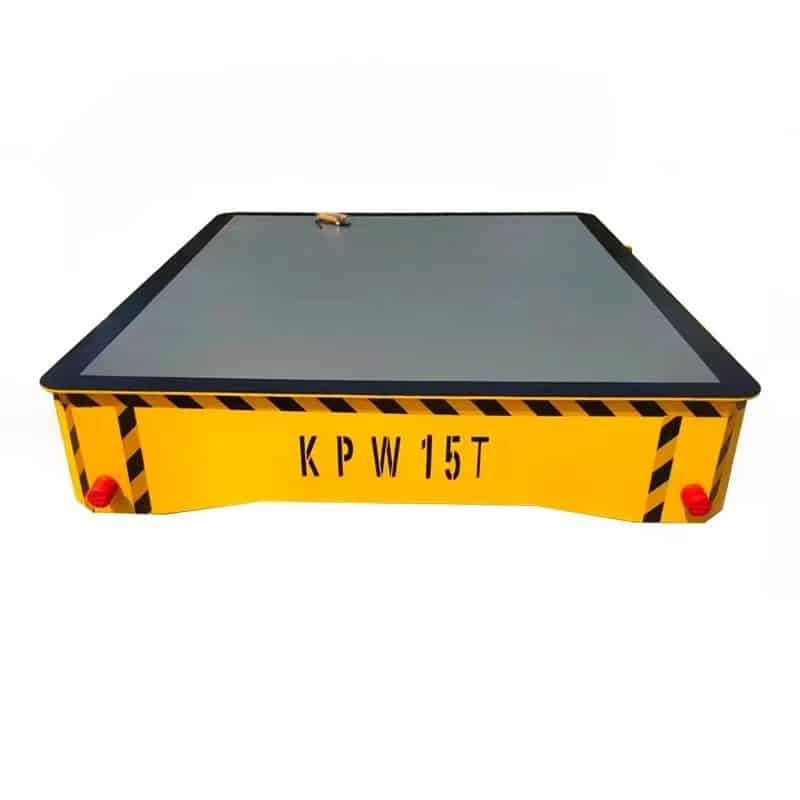
An electric transfer cart works by drawing electrical power from batteries, cable reels, or conductor bars to drive a heavy-duty motor and gear reducer, translating electrical energy into smooth, high-torque horizontal transport. When customers understand how duty cycles, power supply systems, and floor conditions interact, they stop guessing and start choosing the right transfer solution for their specific facility.
Need a quotation?