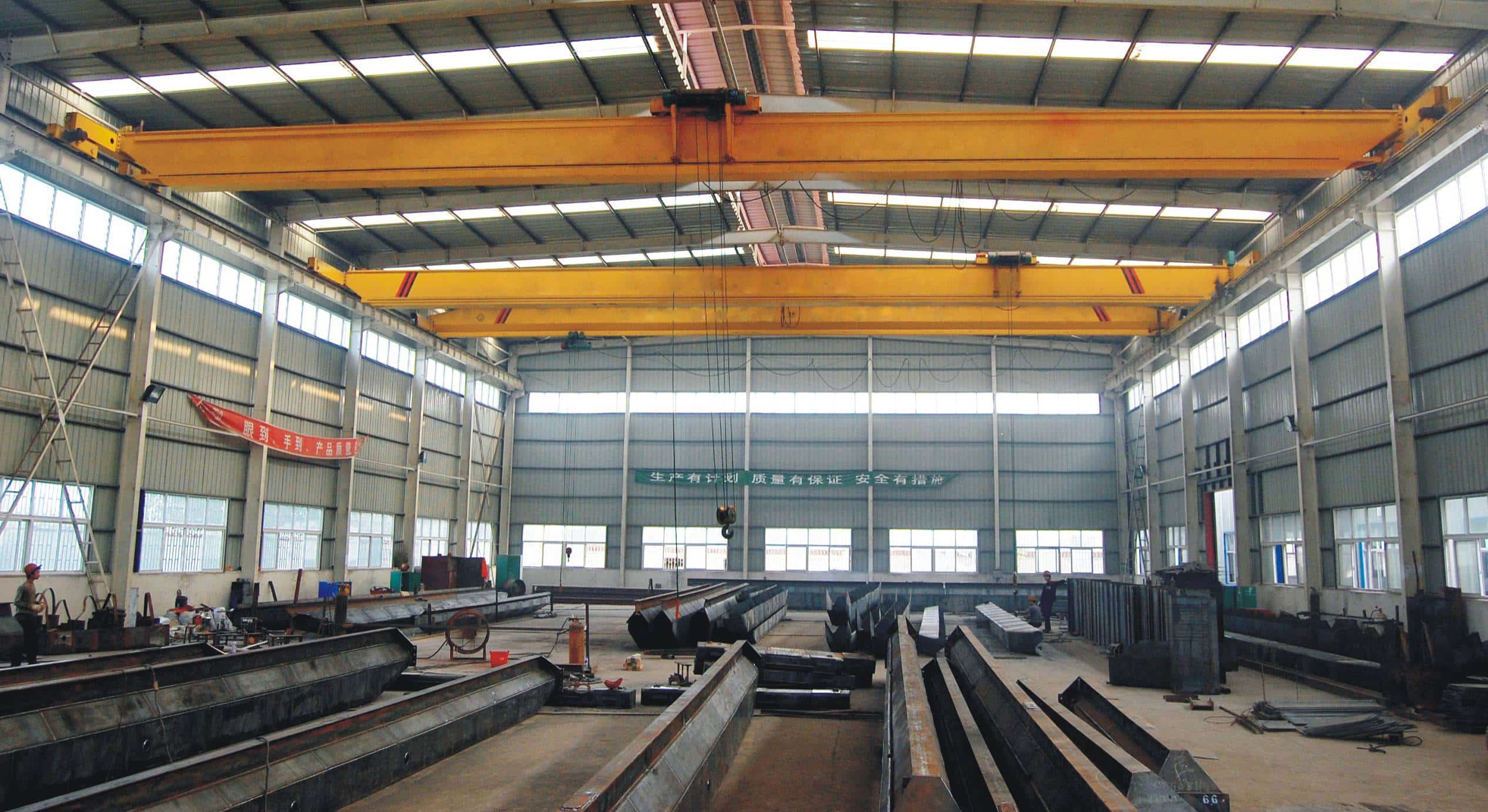
By leveraging mechanical advantage through an interconnected system of pulleys, high-strength cables, and hydraulics, it moves massive objects with ease. Safe operation relies entirely on strict engineering principles, including meticulous load distribution, proper counterbalancing, and structural stability.
The History and Progress of Lifting Technology
The legacy of the crane stretches back to antiquity, when early builders engineered basic pulley setups to hoist massive stone blocks. Century after century, engineering breakthroughs and automation have driven crane innovation forward, drastically increasing how much weight they can carry and expanding where they can be used. Today, that evolution continues as manufacturers integrate smart tech and automated controls into modern fleets.
Mobile Cranes
Built on either rugged tires or continuous crawler tracks, mobile cranes can drive down open highways or navigate treacherous, unpaved job sites. They offer incredible portability and generally utilize either an extendable telescopic boom or a structural lattice boom.
- Ideal Applications
- Active construction zoneshighway infrastructure projectsurgent emergency rescue operations where rapid setupadaptability are paramount
- Most Common Varieties
- All-Terrain CranesRough-Terrain CranesTracked Crawler Cranes
- Truck-Mounted
- Perfect for standard buildingpublic infrastructure works
- Rough-Terrain
- Specially engineered to conquer unevenoff-road terrain
All-Terrain: Highly agile machines capable of seamlessly transitioning between public roads and rugged worksites.
Overhead Cranes
Note on Design: Overhead bridge cranes are generally split into two configurations:
- Single Girder
- A cost-effectivelighter-duty design tailored for moderate weights
- Double Girder
- A robust setup offering superior stabilitymuch higher weight capacities for punishingheavy-duty applications
Gantry Cranes
Full Gantry Cranes: Powerhouses perfectly suited for outdoor shipyards and massive industrial operations. Semi-Gantry Cranes: Often deployed inside warehouses to streamline localized material handling.
Jib Cranes
These compact systems use a single horizontal arm (the jib) to lift and swing materials within a tight, localized radius. They are a staple of cramped workshop environments and crowded assembly lines where floor space is at a premium.
Specialized Lifting Equipment
- Floating Cranes
- Massive vessels outfitted with cranesused exclusively for deep-water port logisticsoffshore marine construction
Telescopic Cranes: Equipped with a multi-sectioned, extendable boom that adjusts on the fly for highly precise positioning.
Essential Components of a Crane
- The Hoist
- hoists can be electricmanualor pneumatic (air-powered)
- The Trolley
- This assembly carries the hoist backforth across the main beammobile variants
The Bridge: The main horizontal beam that spans the width of the workspace and supports the trolley. It can be built as a single or double girder structure.
The Runway: The physical track or path that guides the crane’s overall travel. These systems are either anchored directly to the facility floor or suspended from the ceiling.
- The Control System
- The brains of the operationensuring that every movement is executed safely