Electric Chain Hoist: Comprehensive Guide to Types & Models
Electric chain hoists are indispensable workhorses in countless industrial and commercial settings, from small workshops to large manufacturing plants. They provide a reliable, efficient, and safe solution for lifting and positioning heavy loads with precision. But beyond the basic function, there’s a wide array of types and models, each designed for specific tasks and environments. Understanding these variations is key to selecting the right equipment for your needs.
What is an Electric Chain Hoist?
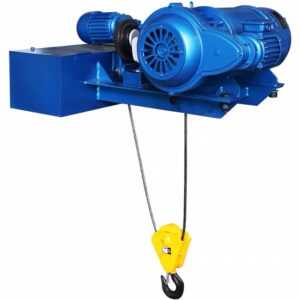
At its core, an electric chain hoist is a lifting device that uses an electric motor to raise and lower a load via a chain. Unlike manual hoists, they eliminate the need for manual effort, significantly increasing productivity and reducing worker fatigue and injury risk. They are commonly suspended from trolleys that run along overhead beams or fixed to a single point.
Key Components of an Electric Chain Hoist
While specific models vary, most electric chain hoists share several fundamental components:
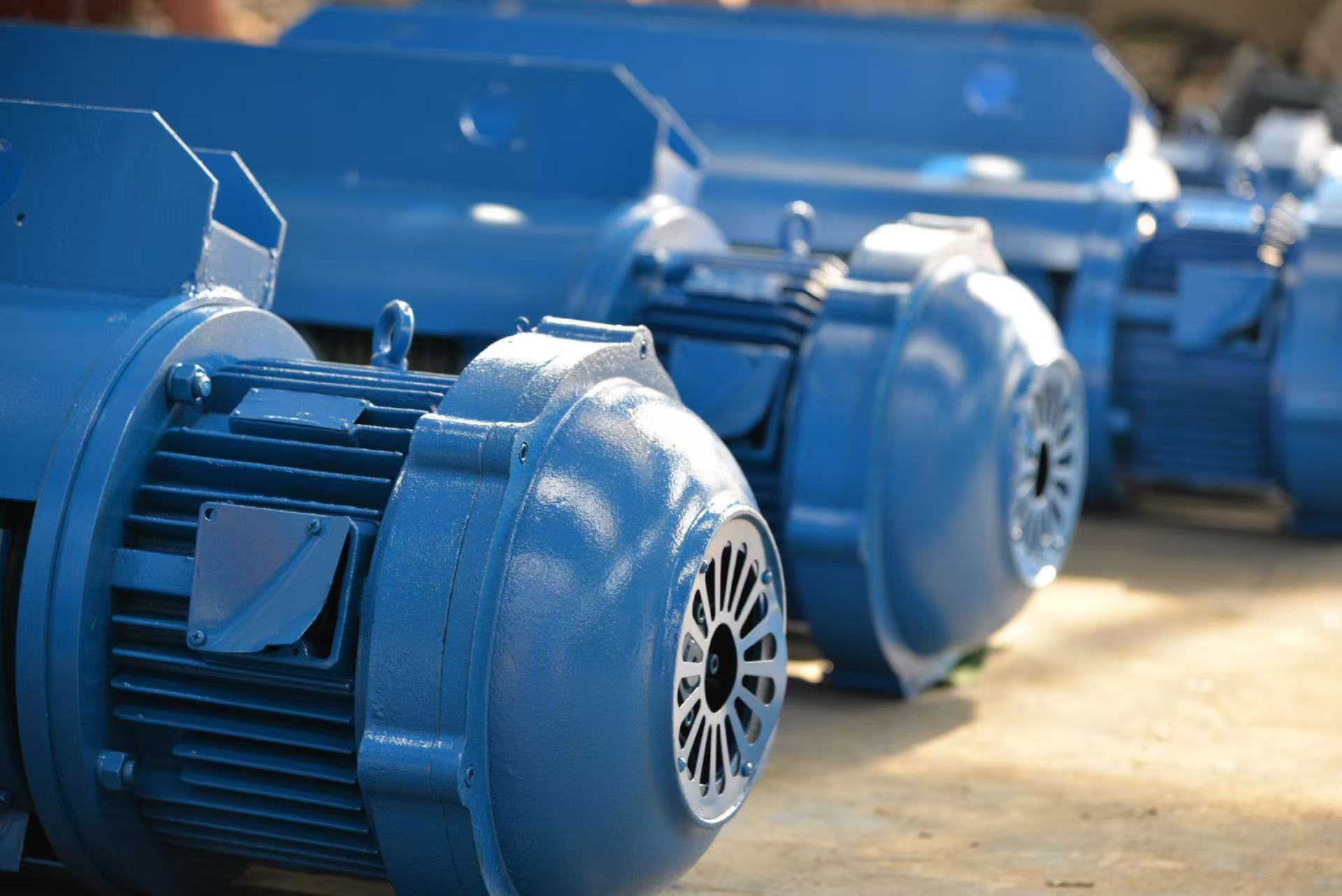
- Electric Motor: Powers the lifting mechanism.
- Gearbox: Reduces motor speed and increases torque for lifting heavy loads.
- Load Chain: Typically made of high-strength alloy steel, designed to withstand significant weight.
- Hook: The attachment point for the load, usually equipped with a safety latch.
- Control Pendant: Allows the operator to control the hoist’s up, down, and trolley movements.
- Braking System: Ensures the load is held securely when the hoist is not in motion.
- Limit Switches: Prevent over-lifting or over-lowering of the load.
Various Types of Electric Chain Hoists
The diversity in electric chain hoists often comes down to their mounting, power supply, and specialized features.
1. Hook Suspension Electric Chain Hoists
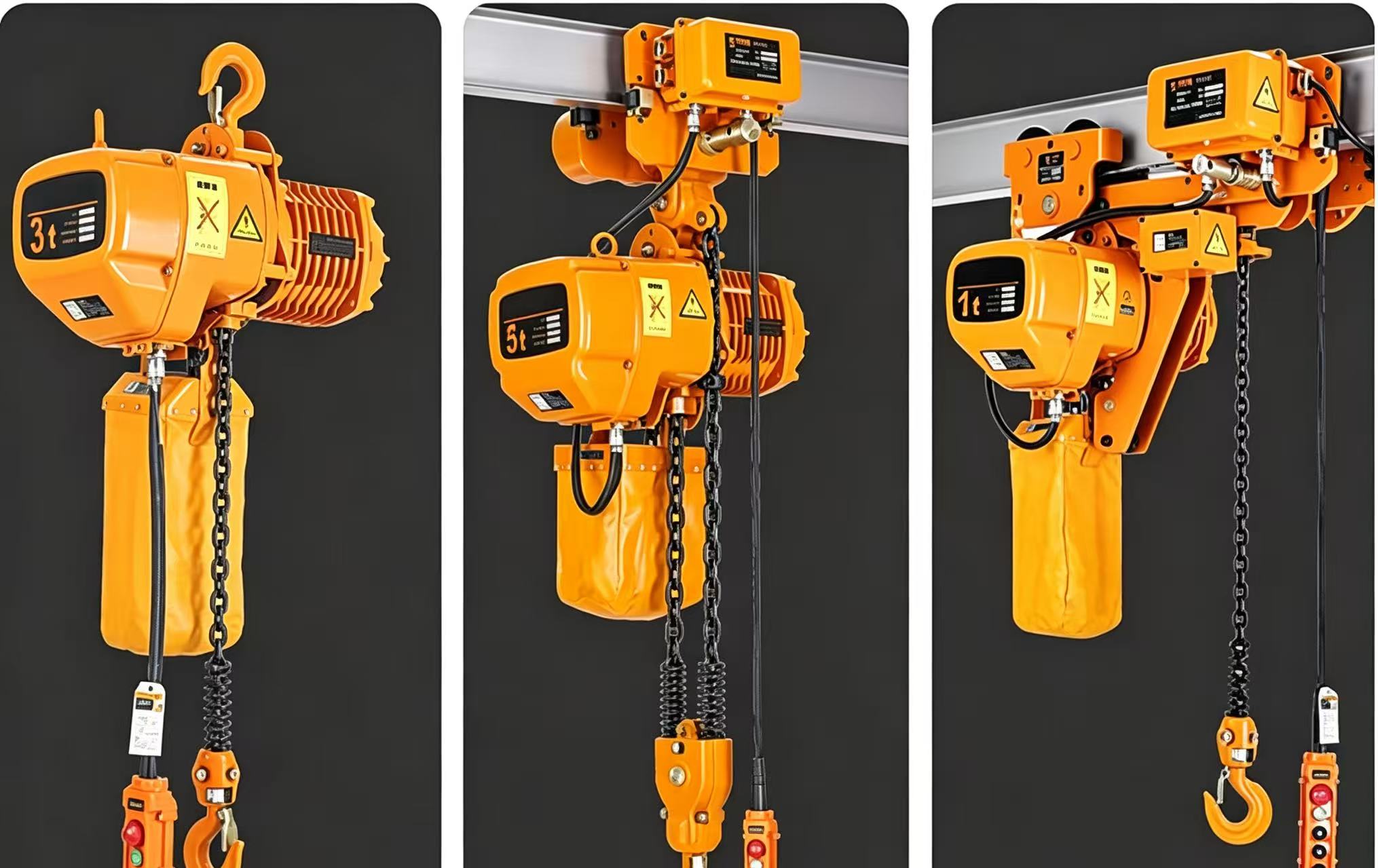
This is perhaps the most common type. The hoist features a top hook that can be easily attached to an existing structure, a beam trolley, or another lifting point. They offer great flexibility for applications where the hoist needs to be moved or temporarily installed.
2. Trolley Mounted Electric Chain Hoists
For applications requiring horizontal movement of loads, trolley-mounted hoists are essential.
- Push/Manual Trolley Hoists: The hoist is attached to a trolley that is manually pushed along an I-beam or H-beam. Ideal for lighter loads or less frequent movement.
- Motorized/Electric Trolley Hoists: The trolley itself is equipped with an electric motor, allowing the hoist and load to be moved horizontally along the beam with remote control, offering greater efficiency for heavier loads or longer spans.
3. Low Headroom Electric Chain Hoists
When vertical space is at a premium, low headroom models are invaluable. These hoists are designed to maximize the available lifting height by integrating the hoist body and trolley mechanism very closely, allowing the hook to reach higher than standard models. This design is critical in facilities with low ceilings.
4. Fixed Mount Electric Chain Hoists
Unlike hook or trolley models, fixed mount hoists are permanently bolted or otherwise secured to a stationary point. They are typically used in applications where lifting is always performed from the same location, such as on a jib crane or a gantry crane that doesn’t require hoist travel.
5. Single Phase vs. Three Phase Electric Chain Hoists
The power supply is a crucial differentiating factor:
- Single-Phase Hoists: Common in smaller workshops or residential settings where three-phase power isn’t available. They are typically for lighter capacities and less demanding duty cycles.
- Three-Phase Hoists: Predominant in industrial environments. They offer higher capacities, greater efficiency, and are suitable for continuous, heavy-duty operation.
6. Variable Speed Electric Chain Hoists
For applications requiring precise load placement or handling delicate materials, variable speed hoists offer significant advantages. They allow operators to adjust the lifting and lowering speed, providing finer control compared to single-speed models.
Factors to Consider When Choosing an Electric Chain Hoist
Selecting the right electric chain hoist involves evaluating several critical factors:
- Lifting Capacity: The maximum weight the hoist needs to lift. Always select a hoist with a capacity greater than your heaviest anticipated load.
- Lift Height: The required vertical distance the load needs to travel.
- Duty Cycle: How frequently and for how long the hoist will be used. Heavy-duty applications require hoists rated for continuous or high-frequency use.
- Power Supply: Availability of single-phase or three-phase power.
- Environment: Is the hoist for indoor or outdoor use? Does it need protection against dust, moisture, corrosive materials, or explosive atmospheres? (e.g., marine-grade, explosion-proof models).
- Headroom: The vertical space available above the load.
- Mounting Type: Whether you need a fixed point, hook suspension, or trolley movement.
- Speed Requirements: Standard speed vs. variable speed for precision.
Conclusion
The world of electric chain hoists is diverse, offering tailored solutions for nearly every lifting challenge. From basic hook-mounted units to sophisticated low-headroom models with variable speed controls, understanding the various types and their unique capabilities is essential. By carefully considering your application’s specific requirements – including load capacity, lift height, power supply, and environmental factors – you can confidently select the electric chain hoist that will enhance safety, efficiency, and productivity in your operations.
Comments