What is a Crane? Types, Functions, and Industry Applications
At its core, a crane is a heavy-duty mechanical system engineered to raise, lower, and relocate hefty materials across a job site.
By leveraging mechanical advantage through an interconnected system of pulleys, high-strength cables, and hydraulics, it moves massive objects with ease. Safe operation relies entirely on strict engineering principles, including meticulous load distribution, proper counterbalancing, and structural stability.
The History and Progress of Lifting Technology
The legacy of the crane stretches back to antiquity, when early builders engineered basic pulley setups to hoist massive stone blocks. Century after century, engineering breakthroughs and automation have driven crane innovation forward, drastically increasing how much weight they can carry and expanding where they can be used. Today, that evolution continues as manufacturers integrate smart tech and automated controls into modern fleets.
Mobile Cranes
Built on either rugged tires or continuous crawler tracks, mobile cranes can drive down open highways or navigate treacherous, unpaved job sites. They offer incredible portability and generally utilize either an extendable telescopic boom or a structural lattice boom.
Ideal Applications: Active construction zones, highway infrastructure projects, and urgent emergency rescue operations where rapid setup and adaptability are paramount.
Most Common Varieties: All-Terrain Cranes, Rough-Terrain Cranes, and Tracked Crawler Cranes.
Specific Sub-types:
Truck-Mounted: Perfect for standard building and public infrastructure works.
Rough-Terrain: Specially engineered to conquer uneven, off-road terrain.
All-Terrain: Highly agile machines capable of seamlessly transitioning between public roads and rugged worksites.
Tower Cranes
Tower cranes are massive, stationary structures anchored firmly to a concrete pad on the ground (or tethered securely to the framework of a rising structure). They feature a vertical support mast, a long horizontal lifting arm called a jib, and heavy counterweights, allowing them to spin a full 360 degrees.
Ideal Applications: High-profile, vertical construction projects like skyscrapers, where immense height and horizontal reach are non-negotiable.
Most Common Varieties: Hammerhead, luffing jib, and self-assembling (self-erecting) tower models. They are celebrated for their unparalleled height, heavy payload capacities, and exact placement precision.
Overhead Cranes
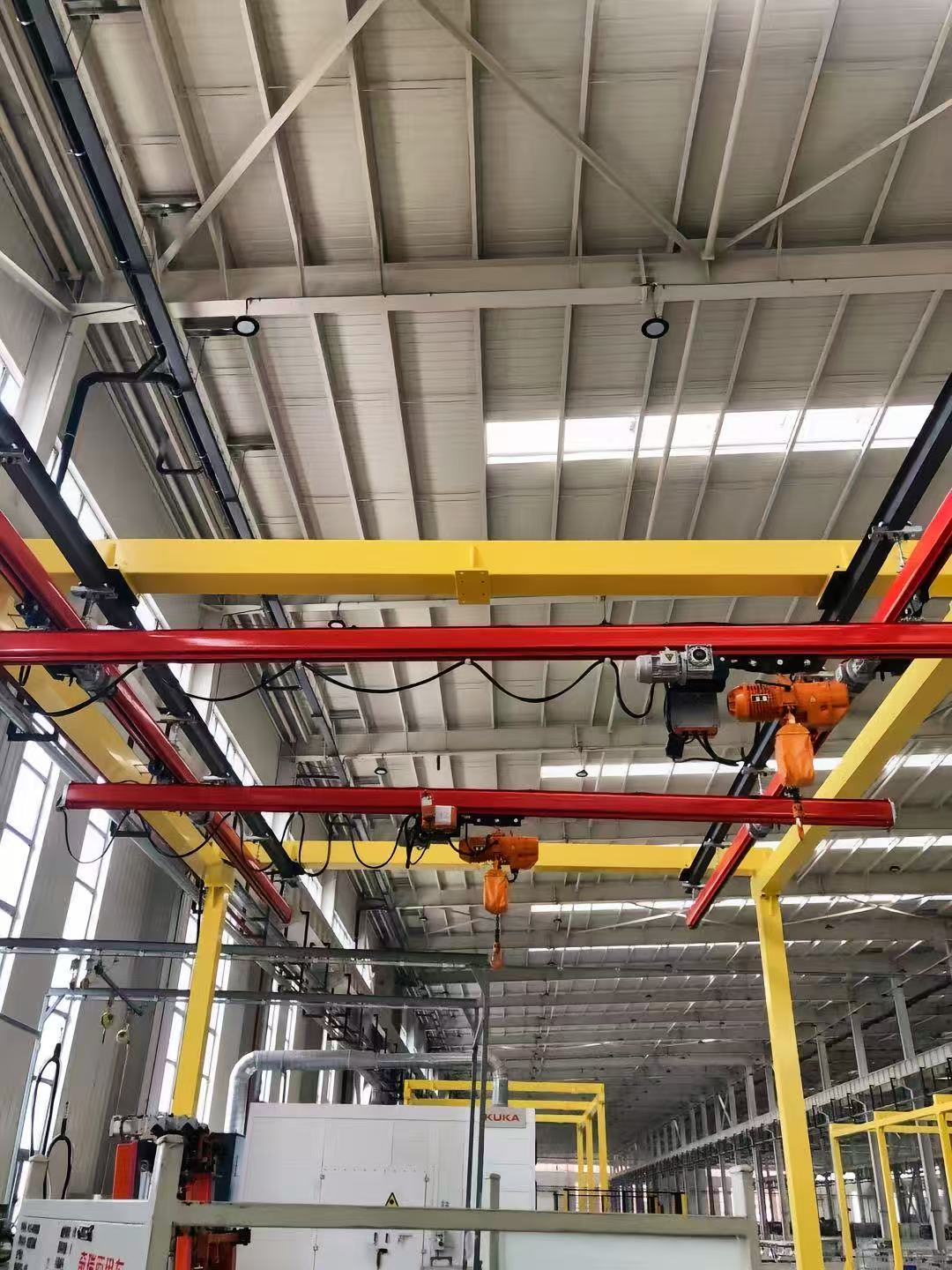
Operating along a fixed set of elevated rails or structural runways, overhead cranes are typically found inside enclosed spaces like factories, storage warehouses, or industrial plants. They lift heavy items and slide them horizontally along a bridge or monorail track.
Ideal Applications: Production lines, heavy manufacturing facilities, and shipping terminals that depend on highly accurate, highly repetitive lifting routines.
Most Common Varieties: Bridge cranes, gantry cranes, and jib cranes.
Note on Design: Overhead bridge cranes are generally split into two configurations:
Single Girder: A cost-effective, lighter-duty design tailored for moderate weights.
Double Girder: A robust setup offering superior stability and much higher weight capacities for punishing, heavy-duty applications.
Gantry Cranes
Gantry cranes roll along a dedicated ground-level rail or track system rather than an elevated runway.
Full Gantry Cranes: Powerhouses perfectly suited for outdoor shipyards and massive industrial operations.Semi-Gantry Cranes: Often deployed inside warehouses to streamline localized material handling.
Jib Cranes
These compact systems use a single horizontal arm (the jib) to lift and swing materials within a tight, localized radius. They are a staple of cramped workshop environments and crowded assembly lines where floor space is at a premium.
Specialized Lifting Equipment
Floating Cranes: Massive vessels outfitted with cranes, used exclusively for deep-water port logistics and offshore marine construction.
Telescopic Cranes: Equipped with a multi-sectioned, extendable boom that adjusts on the fly for highly precise positioning.
Essential Components of a Crane
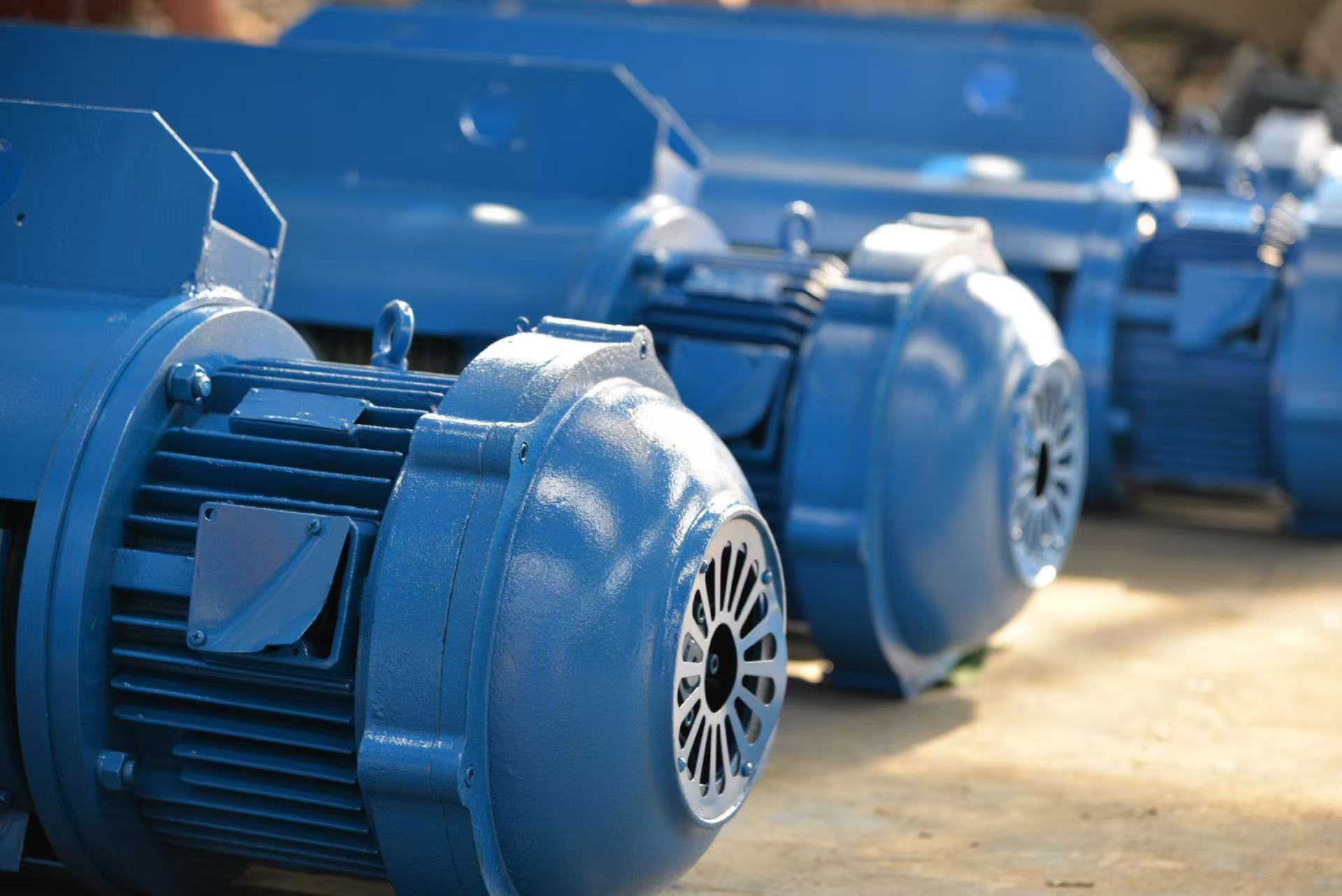
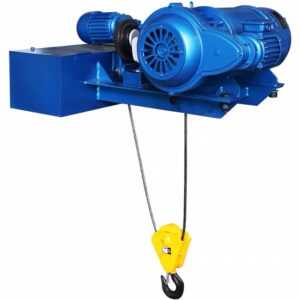
The Hoist: The heart of the lifting operation. Depending on the power source required, hoists can be electric, manual, or pneumatic (air-powered).
The Trolley: This assembly carries the hoist back and forth across the main beam, allowing the load to move horizontally. Trolleys come in both fixed and mobile variants.
The Bridge: The main horizontal beam that spans the width of the workspace and supports the trolley. It can be built as a single or double girder structure.
The Runway: The physical track or path that guides the crane’s overall travel. These systems are either anchored directly to the facility floor or suspended from the ceiling.
The Control System: The brains of the operation, ensuring that every movement is executed safely and with absolute precision. Systems vary from handheld pendants to advanced remote controls.
Conclusion
Whether navigating the tight confines of a factory floor with an overhead system, scaling new heights with a tower crane, or deploying rapidly with a mobile fleet, choosing the right crane is essential for any heavy-duty project. By understanding the distinct advantages, applications, and mechanical components of each type, industries can optimize their workflows, safeguard their personnel, and successfully manage even the most demanding material handling tasks.
Comments